

Podcast Episode
On this episode of The World Unpacked, authors Quinn Slobodian and Ben Tarnoff explore Musk’s historical meaning and debate the politics of technocracy with host Jon Bateman.
Jon Bateman, Ben Tarnoff, Quinn Slobodian
The Iran War marks the second time in two months that Donald Trump decapitated a country without real legal justification. But is this any different from the many times that past U.S. presidents—and other great powers—have violated international law?
Invalid video URL
The Iran War marks the second time in two months that Donald Trump decapitated a country without real legal justification. But is this any different from the many times that past U.S. presidents—and other great powers—have violated international law?
Note: this is an AI-generated transcript and may contain errors
Jon Bateman: Oona Hathaway, welcome to the World Unpacked.
Oona Hathaway: Thanks so much for having me.
Jon Bateman: Before we mourn the death of international law, I feel like we kind of have to prove that it was ever alive to begin with. And I wonder how you would answer that. How would you explain to the man on the street or one of your students or maybe a U.S. Government official who would come to you and say, is international law real to begin with has it ever served as a practical constraint on state power?
Oona Hathaway: I think the thing to recognize about international law is that when it's most powerful, it's actually pretty invisible. It shapes what you consider to be the available options in ways that you don't really even notice because it's so fundamental, so part of your worldview, you don t even realize that it's that it s shaping what you think is possible. So let me just take an example. If Mexico failed to repay debts to American citizens, why don't we invade Mexico and maybe take a little bit of its land?
Oona Hathaway: As compensation for those unpaid debts. That wouldn't even be an option that's on the table. Why isn't it on the tables? Well, obviously, you wouldn't. You don't even have to say international law says that that's illegal, so we wouldn't do that. You just don't even think about it as a possibility. But remember, the United States did that. The United States, did that back in 1846. We went to war against Mexico to collect money from Mexico, there was many millions of dollars in unpaid debts. The legal justification for that war was the failure to repay debts. And we took a bunch of land. If you're listening to this in Texas or California or Nevada or Utah, you're sitting on land that was part of Mexico and that is now part of the United States because we took it. And we took because we were legally entitled to take it under the rules that existed Then now those rules were changed. International law was radically changed, first through outlawry of war in 1928, and then that was reinforced in the UN Charter in 1945. And now that option just doesn't even occur to us. It's just off the table.
Jon Bateman: So once upon a time, countries could go to war for all sorts of reasons and that would be considered legal and therefore that was conceivable. Da da da da, it all changed in the early mid 20th century. Now wars of conquest, wars of aggression are considered illegal and therefore mentally off the table at least for some countries in some circumstances. So you're not just an academic, you actually have done a tour of duty in the Pentagon, in the Office of General Counsel there. So you were a legal advisor to the war makers in Washington. Was that your experience? Was there ever a moment in a meeting where it just became apparent to you that there were options that were militarily plausible and maybe even strategically beneficial for the United States, but the senior officers and civilian leaders would not have considered them because of international law.
Oona Hathaway: It's not something where people sort of made a long list of all the options and then they sort of struck out the ones that were in violation of international law, though there's a little bit of that that happens. But that it wasn't even on the list that the junior person tasked with coming up the initial list even puts, it's not even put on the lists. Now, that doesn't, isn't to say that there weren't ever options put on the table where there weren t legal issues, right? I mean, that certainly does happen. And there's a whole, you know, there's 10,000 lawyers at the Department of Defense precisely to keep things. Is that really true? That's, yeah, that's a remarkable statistic. Especially if what you're.
Jon Bateman: Especially if what you're saying is right that a lot of the lawyering really just happens before it ever gets to a lawyer Right in this kind of precognitive space What are these 10,000 people doing?
Oona Hathaway: Making decisions about particular attacks. And there's a whole range of minute decisions that have to be made in which there are legal judgments that are required. And a lot of those folks are in the field and working directly with military around the world and making judgments about particular questions. But when it comes to big picture questions like, do we invade a country, those things are just not on the table in the same way. I mean, yes, there's times when lawyers have to come along and say, well, you know, you want to do this, but here's why. You know, I think that that might be an illegal gray space or I think that that's not lawful. It's not that leaders never come up with those options. And certainly part of what we're seeing at this moment is the kind of putting things on the table that used to be off the table, you know, the idea of like the U.S. Might, you of Tate Greenland. Never on the table. What's destabilizing about this moment is that things that have not even been considered conceivable all of a sudden are conceivable, and that's what's so radical about the moment that we find ourselves in. But up until now, the reason international all works so well is that people just kind of took it for granted. That's basic principles were taken for granted.
Jon Bateman: Which I guess is a perilous place to be, right? If the best evidence for or manifestation of a body of law is just in the minds of decision-makers, it's part of the culture, the air they breathe, and then one day somebody can wake up or come into office, get out of bed on the wrong side, and just decide to start thinking differently. And maybe that's what we're seeing now with Trump. Someone has come to power who's decided to start thinking very differently. I'm sure you saw this New York Times interview that Trump gave a few weeks ago in which he said, yes, I do follow international law, but also I don't need international law. And ultimately, it's about my own morality. That was how he described the constraints on him. Stephen Miller, top Weishaus advisor, deputy chief of staff, you know, after the Venezuela capture operation. Fascinating to see him go on TV and say very starkly that the iron law of history is force, might, and power, almost as if anyone who believed in such a thing as international law is is foolish. I mean, Marco Rubio, secretary of state, he just gave a very prominent speech at the Munich Security Conference. He wasn't as stark as Stephen Miller or even Donald Trump, but he did refer to international law as an abstraction. Seem to indicate that it wasn't something that you might go to war over. What do you make of the change in rhetoric here? Because certainly previous U.S. Leaders would have at least acknowledged rhetorically the importance of international law, even if they were stretching it through their actions.
Oona Hathaway: Yeah, I mean, that's why this is such a radical break with the past, this moment. We've seen the international system under stress before. We've we've seen violations. I mean obviously Russia's invasion of Ukraine was a huge challenge to the international legal order. And what you saw then was a really pretty unified global response against Russia. You know? The states have gotten used to the idea that Russia might be willing to violate the rules and that they have to stand up to Russia. To have the United States kind of turn its back on those basic principles so openly is so destabilizing for Europe. And I think Europe recognizes something fundamental is broken right now. I mean, you're seeing that. You're seeing it with world leaders basically saying international legal order is done. You know, you haven't seen that before since World War II. You have not seen world leaders stand up and say the post-war legal order is over. And that's precisely because they're reacting to what Trump is doing.
Jon Bateman: We should take some time in a moment to walk through step by step precisely the actions that Trump and his administration are undertaking that would seem to violate international law. Maybe Venezuela would be a good starting point. But I wanna stick with Ukraine for a moment because in some ways it's a low point in my lifetime, one of the most violent and large scale and overt violations of international law since I've been born. And yet in some ways you could say maybe it's a high point in that much of the Western world, much of world period was so revolted by this outrage that people stood up. And I would say Americans, for example, don't have a great deal of connection to the country of Ukraine. They don't know that much about it. We're not treaty allies. And yet my sense is, I wonder if you agree with this. The international law component here of Russian aggression, I was so clear that there was a hero and a villain here, or a victim and a villian, let's say. That did seem to help drive popular support, at least in America, and I think in Europe, toward a muscular defense of Ukraine. Would you agree with that?
Oona Hathaway: Absolutely. People have responded to that, like ordinary people have responded to that around the world. There's something really was very powerful and actually reinforcing of the international order in that response, in that willingness of states to stand up for their principles by providing money to Ukraine, by providing support, by sanctioning Russia when that's expensive to do that. You know, so you saw a lot of ways in which states not just. And people not just sort of voiced their opposition to what Russia was doing, but we actually were willing to accept some costs and expense to stand up for Ukraine. So in a way, you know, it's both the low point and the high point. I think you're right about that. And what's so destabilizing now is I think states are not really ready to do the same against the United States, both because there's nobody really to rally them and because they've so. They're so intertwined with and dependent on the United States for their own defense and their economic well-being that they're not in a position that they feel like they could do that. And so they're kind of caught in the middle of this. On the one hand, recognizing US is acting in ways that are clearly unlawful. And on the other hand, not able to muster the kind of response that was brought to bear on Russia.
Jon Bateman: Yeah, it's one thing when a traditional enemy is the one that is breaking international law. Russia was kind of barely part of polite society in the Western world anyway. And so it's okay if you have to kick them out of the G8, becomes the G7, that's fine. But now the call is coming from inside the house. And I don't think the rest of the G7 is going to kick out the United States and make it the G6. So maybe we could just zoom in on some of what the Trump administration has been doing that might be considered most challenging to international law. I mean, Venezuela seems like a strong candidate. We obviously sent troops there, undertook a very rapid special forces operation with some limited strikes on the country, captured Maduro, rendered him to the United States. We're now prosecuting him under a US domestic law. But, what's your analysis, Ona, as… a scholar of international law, about whether this action was justified.
Oona Hathaway: In the post-war era, there's just three reasons that you can lawfully go to war. One is if you are acting in self-defense in response to an armed attack, that's under Article 51 of the UN Charter. A second is if it's authorized by the Security Council, the UN Security Council under Chapter 7 of the UN Charters. And then third is if the host state consents. That's the entire set of reasons. None of those are present here. Not only are none of those present here, What's so interesting about this particular intervention is that the Trump administration didn't even try to make an argument. I mean, this is really different from what they've done before. Like with the Soleimani strike in Trump I, where they killed the General Soleimany, the Iranian general when he was in Iraq in 2020, they argue that it was self-defense and that there was an imminent threat that was posed by the general. Even with these boat strikes that had been taking place in the Caribbean, the US is blowing up a bunch of these purported drug running boats. The claim that they tried to make was that this is self-defense because the drugs are posing threats to Americans. Bad argument, very, very bad argument. But at least in the box of the kinds of arguments you make when you're doing something like this. And in Venezuela, they didn't even try to say that. There's like, we want to get Maduro, and by the way, we want the oil. There wasn't even, they never even uttered words that would resemble a legal argument. And that's in a way what's so.
Oona Hathaway: I don't know if it's outrageous, but so destabilizing about this is that they don't even try to mouth the words that one would have to, which shows a total disregard for, disdain for, lack of respect for the international order that is on a different level than anything that they've done before.
Jon Bateman: Yeah, it seems like at each step along the way, we're kind of getting further and further from the heartland of these justifications. I mean, Soleimani, huge legal stretch to kill him in Iraq, but at least he is part of an armed force that is adversarial to the United States. And we do know that from time to time, he is commanding activities that are lethal threats to America. So it's like, it's kind of in there, right? And then you work your way toward Maduro. When I first heard about this happening in the news, I started to think, oh, I wonder how they're going to justify this legally. And I thought to myself, well, oh actually, there's an easy option available for them. They can claim that the legitimate government of Venezuela authorized this and that it was consented to. Because of course, we didn't recognize Maduro to begin with, he had stolen the previous election. But they didn't do that. And I think they didn't do that because they actually didn't want to hand the country over to the opposition. They wanted to run it themselves. Gunboats positioned off the shore, which really does seem to bring us back to this pre-1928 world. This almost does seem very close to that Mexico hypothetical that you started us off with. They took our oil, right? They nationalized our oil companies. It's just a legal wrong of some type. And we're going to go in and take it back and run the country.
Oona Hathaway: Right. That's exactly right. I mean, that's what's so outrageous about this. I mean, you know, people suspected that some wars the U.S. Has fought in the past were really about the oil. It's the first time that you've seen a U. S. President basically say, yeah, this is just about the whole without really trying to make an argument that it's anything more than that. And yes, I I mean, there is... I mean, could they have argued that Gonzalez, you know, invited the US, is the actual legitimate president of Venezuela and invited the U.S. In? I mean there's lots of legal debate about that. It's something of a gray space in international law that creates that possibility. But it is interesting that they chose not to do that. I think you're right that part of the reason is that they decided that it would lead to some destabilization of Venezuela to try and put in place a different government in Venezuela and they didn't want to have to deal with that. Really just what they wanted was the oil.
Jon Bateman: Yeah, and another way to put that would be that acquiring the advantage of this international legal justification was less valuable to the Trump administration than having their person be in there and be able to have a free hand in the country, which I think just tells you about how they're viewing it. Now I imagine there's some listeners out there who they might be dissatisfied with this conversation. They might be thinking, okay, they're giving the previous U.S. Administration so much credit for. Operating within a rough framework of international law, using arguments, even as they're doing other things, right? I mean, so famously, George W. Bush invaded Iraq when he was president. Many people felt that this was a violation of international laws, but he had a claim as to why it wasn't. And so part of what we're doing, maybe, is we're giving credit to the Bushes of the world and saying, well, at least they had a claims. I guess somebody listening to that might be thinking, well, that's really not that impressive. And actually, could it even be better to have someone like Trump just rip the mask off and say, this is all a farce, Stephen Miller saying, the iron law is power. Let's not deceive ourselves. Now we can at least talk honestly with each other about it. But what do you make of that? You're listening to The World Unpacked with John Bateman. Where we dive deep into pressing global issues and make sense of the big forces shaping our world. Now, have you learned anything so far that intrigued or surprised you? Let me know in the comments or just give us a like. And if you wanna hear more of my conversations with the world's most informed and interesting people, you can subscribe right here. Now, back to the show.
Oona Hathaway: There are some who are going to feel that this is liberating, in the sense that they feel like it justifies their skepticism that they've had all along. And I think if international law was not providing a constraining role before now, then they may be right about that. I do think the US intervention in Iraq was unlawful. But for all its warts, for all it's problems, and that is probably the biggest one. The system nonetheless really did a lot to maintain peace and security in the world. You have to remember that even domestic law is not perfectly observed all the time. There are violations of domestic law, right? I live in New Haven. It is a lovely and beautiful and peaceful city, but it's not without its violations of the law. There's no major city where that's the case. And We don't say, like, let's throw out the rules because, you know, because there are sometimes violations. We wouldn't say because there's murders, we should just give up on, you know, rules against murder. We would say, we need to do a better job of enforcing the law. And, you, know, some people are more likely to be held to account than others, and we should equalize that accountability. We wouldn't, say, let us give up the system altogether. And I would say the same thing about international law. But I think the truth is we're at a moment now where, as Carney put it, nostalgia is not a strategy. And so the question is, now we are where we are. And recognizing that we are at this moment where the international order and these central principles that have brought us unprecedented peace and security for 80 years is on the ropes and probably. Past saving, it does open up the possibility to admit these problems in a way that has been harder to take account of in the past, and maybe to try to think about how do we build a system that's more equitable and that might be more effective, that recognizes the hypocrisy of the past. Now, is a new system going to be less hypocritical or more effective? I don't know. I mean, the problem is the last one was not perfect, but it did work pretty darn good. And so the question is, are we gonna have something better in the future as a result of this? And I'm not confident that that's gonna be the case, at least not for a while.
Jon Bateman: You mentioned Carney's speech. So this is the Prime Minister of Canada who just gave a blockbuster speech at Davos where he basically did say the mask is off. And one of the things I found interesting about that speech was he did seem to go back in time and say the U.S.-led rules-based international order, which is a kind of catchphrase in places like Washington, D.C. And Davos. Was never really as real as we described it as. And maybe we even understood that at the time. That was kind of how I interpreted what he was saying, which really is even more remarkable than just calling Trump to the carpet. And so now he is saying, let's make the best of it. I guess that's what you say in that situation. Before we get to what we can do next. You brought up U.S. Domestic law, which I think is an interesting aspect of this whole conundrum. Because really, legally, a U. S. President is constrained by two bodies of law, right? In theory, there's the international law that constrains their behavior. And also, in practice, but increasingly in theory, there is domestic law that constraines their behavior, and as we saw in Venezuela, Trump also wasn't very interested in seeking any kind of congressional authorization for that either. Again, I'm sure he has his argument under the War Powers Resolution, yadda, yada, yata. But do you see an interplay here between the erosion of international law and the erosion of the domestic legal constraints on the Commander-in-Chief's power?
Oona Hathaway: I think they're connected. So the U.S. Constitution provides that it's Congress that declares war. And if you were to add up all of the sort of powers that relate to making war that are in the Constitution for Congress versus the president, Congress has far more. It's the one that raises and support armies, it issues letters of mark and reprisal. Again and again and again in various ways, it's congress that's given the powers to the president is a commander in chief, which has generally been understood to be like, once Congress authorizes the war, then the president figures out how to fight it. But the reality has been for a while now that presidents have been seizing the initiative, is one way to put it, acting at, you know, waging wars that are not attending to the constitutional obligation to go to Congress to seek authorization. Another way of putting it. There's also the War Powers Resolution, which was enacted in the 70s to try and reinforce this constitutional role for Congress. It has also been largely ignored in recent years. And the truth is that this is a bipartisan project. This is not just a Trump project of not going to Congress. This was true. Obama made the decision to continue to wage the war in Libya without seeking authorization from Congress, passed the 60-day mark in the War Powers Resolution, never sought authorization from congress to participate in that conflict. Since that has completely fallen away, presidents are just able to act on their own and don't really have to attend to what Congress might think. And that means more US is engaging and more use as a force than otherwise would.
Jon Bateman: You earlier critiqued the Iraq war under international law. If we think about domestic law, you could say it was one of the more legal wars that the U.S. Has fought in recent memory, right? President Bush got a Congress to pass a law authorizing the use of force in Iraq, and there was huge public deliberation about that. I mean, for months on a stretch, there were primetime speeches in the Oval Office. Colin Powell, of course, went to the UN, but that was closely watched in the United States as well, congressional hearings, you know, New York Times chasing down these bizarre stories about uranium in Africa. So the press and everyone was following every jot and tittle of the storyline for a long lead up. Now, of, course, this was a major war, a much bigger deployment than anything that we've done since. Um, but it just shows you how little public deliberation is happening and is being sought by the administration in a campaign like Venezuela, and you might say in Iran, where the U.S. Bombed Iranian nuclear facilities. And right now, as we speak, more U. S. Warships are headed toward Iran. And there seems to be this notion that there might be a much larger, weeks-long military campaign, perhaps even intended to effectuate regime change.
Oona Hathaway: Yeah, it's pretty remarkable. So yeah, I mean, the last time that Congress voted on an authorization for use of military force was in 2002, the 2002 authorization for use military force to authorize use the military force against Iraq. And we're still fighting a major counter-terrorism effort throughout the Middle East under the 2001 authorization for US military force, which was passed just days after the 9-11 attack, really aimed at getting the guys who are responsible for the attacks on the United States now being used against groups that didn't even exist on 9-11 in countries that had no relationship whatsoever to do with the 9- 11 attacks or those who are responsible for them. So yeah, I mean, it's remarkable that we had this massive conversation. At the time around the rock war, and yet you're seeing what could be an equally significant commitment of the United States to a military effort with what seems to be basically no attention to Congress whatsoever. And, you know, this creates real risks to the United States. It's not just that we're going to unleash, you know, potentially massive use of military force in another country, maybe engage in regime change again in Iran. And what should be stabilizing to an entire region, but it puts Americans at risk. And one man is making a decision about where to deploy the most powerful military the world has ever seen. Mine is that is a remarkable fact about this moment, and it's an extraordinarily dangerous fact about this movement. And it doesn't matter who it is. I wouldn't want that power to rest in anyone's hands. And I was making these arguments. During the Obama administration. I was making these arguments during the Biden administration. I was saying, we need better constraints on the president's authority to wage war again, a lot really, because no one person should have this power no matter who they are and no matter how good their judgment.
Jon Bateman: We are being very tough on Trump here and by extension on the United States as a whole and other US presidents, but I wonder if you could help widen the scope a little bit and give us an assessment of how other major powers are adhering to international law. I mean, you mentioned Russia going into Ukraine, obviously, not only an unlawful war, but mass atrocities were committed there in places like Bukha. I wonder what your view is of Chinese. Adherence to international law, Iranian adherence to international, to some extent, the kind of hard-nosed colonel in the Pentagon who is bristling at this whole conversation and saying, listen, we're in a tough world. And the bad guys out there aren't following these rules either. So what's the larger strategic context here?
Oona Hathaway: I think it's fair to ask the question, you know, is the US just sort of tying its hands behind its back while everybody else is sort of just unfettered and sort of violating the rules right and left, and why should we follow the rules of nobody else's? The truth is, though, that none of these countries has a perfect or a perfectly terrible record, right? I mean, the US too. I mean look, we know the places where Russia has violated international law, but There's lots of places where it's. It's consistent with international law, acting consistently with international law. I mean, in general, we tend to notice when states wage illegal wars, we don't notice when they respect their borders with their neighbors. You know, this is the problem with international laws. We tend to notice the violations. We don't tend to notice the compliance, you know. So lots of countries are not invading their neighbors today, and we're not, you know, writing New York Times stories about that. Maybe we should be, right? And that's true of China, that's sure of Russia. There's lots of ways in which both of these countries are complying with international law. And there are also plenty of ways in which they're violating international law and we should be holding them to account. And in many ways we have. So to take China, for example, China has made claims on rocks, reefs, and islands in the South China Sea. Where an arbitral tribunal found that the claims that it was making were inconsistent with international law under the Law of the Sea Convention. China ignored it, and the U.S. Had been playing an important role in policing that. But also notice what China is not doing. China is not waging an aggressive war against its neighbors. It's actually been kind of remarkably quiet when it comes to using military force around the world. It is in this moment building up its Navy in a substantial way. It's building up its military power in a substantial way, and I think what we don't appreciate is how much it is complying with the law, and how much if we decide that we're going to throw these rules out the window and that they don't matter and all that matters is a leader's own moral position or own morality as to whether use of force is permitted. What does that mean for a newly ascended China?
Jon Bateman: Ukraine did pose a dilemma for China, because China would historically stick up for claims of sovereignty, like Ukraine's claim of sovereignty. China likes to talk about borders as though they are inviolable, because they don't want foreign interference from Western powers. And yet, when the rubber hit the road, China kind of whiffed and ultimately was unwilling to condemn Russia, because Russia had become. Strategic partner of China. So I would say that is a concerning sign, and that makes me wonder what would happen if there were ultimately a direct military conflict between China and the West. I know mostly, oh no, we've been talking about whether wars are justified to begin with, but there's this whole other body of law, the law of armed conflict, international humanitarian law, having to do with the conduct of wars. And I do remember one day at the Pentagon, we were gaming out just some junior people what would happen with the US and China if they were ever in a war. And somebody just said, I just can't imagine that either country would really feel bound by the law of armed conflict if the stakes were existential and the kind of global hegemonic status was on the line. I wonder what- you make of that, and is there a limit to what the kind of pressure we can put on international law in those extreme circumstances?
Oona Hathaway: Question of, you know, will states sort of take off the gloves if their existence is at risk is, I think, a real one. I mean, what is interesting is we can look at a country right now that is in an existential fight for its life, which is Ukraine. And it has been following the rules, as best we can tell, quite closely. And I think there There are a couple of reasons for that. Chief among them, I think one of them, it wants to differentiate itself from Russia. And it sees its compliance with international law as a key way in which it differentiates itself from Russia, but also that it recognizes that it depends on the support of other states for its survival. And the way in, which it is going to maintain the support other states, particularly states that believe in international law, is to comply with international laws. There was major news about Ukrainian forces engaging in IHL violations, International Humanitarian Law violations, against Russian troops, you would see a draining of support for Ukraine in capitals, but also among ordinary people. I think right now, Ukraine really does have the support of ordinary people, because they feel like these are the wronged people. They are facing an illegal war, and. They're fighting it the right way and they're defending themselves as they lawfully should. And so there is a real incentive for states to comply with the law as long as other states care about it, right? And as long people care about. And I actually think there's been some recent surveys have been done that show that the basic principles of international humanitarian law are things that ordinary people believe in. They don't even have know that it's the law. Yes, people, should civilians be protected in conflict? They say yes. They say, you know, should somebody who's wounded and out of the combat be protected? Yes. Should people get access to medical care, even if they're a member of the enemy? They say Yes. You know, these are things that basically, that are just ordinary human instinct. And so, I... I understand why some people think, oh, they're going to take off the gloves. They're going fight. We're not going to abide by LOAC anymore because it's an existential threat. I don't know. I think both the question of whether states are going to need allies in that fight, and I think the answer is they are going need allies on that fight. If you need allies, if you're fighting really dirty, you're going have a much harder time getting states, other states to support you. But also because I do think that these are principles that people believe in. And if they see their own country fighting in a way that is so reprehensible, you kind of drain support of the population for the fight.
Jon Bateman: So where do we go from here? Someday, someone is gonna write the book about the moment that we're in now. Maybe you'll write that book. And what would you hope to read in that book about the actions that people in the United States, in other countries took to preserve what can still be preserved, or create something new in a time of tremendous strategic. Where do we go from here?
Oona Hathaway: Undoubtedly, we're in a moment where the solution that has worked for 80 years is not going to work going forward. And, you know, there have been other times in history when people have faced these kinds of challenges. I mean, obviously World War II itself was a moment at which there had been complete collapse of the international order, where millions had been killed, where had there been violence all over the world. And the people who created the UN system are actually working in the middle of that war. In the middle of that war, they were trying to dream up what the solution was going to be to maintain peace and security after that war ended. They're writing the UN Charter starting in 1942 in the belly of the US Department of State. They started thinking about what is this international system gonna look like? And they were able to dream about that in the middle of extraordinary violence and conflict when it seemed like it wasn't clear it was ever going to end and it wasn't clear exactly how it was going end. You know, luckily, we're not in the midst of that kind of violence now, but I do think that we should take it upon ourselves to think about what is our version of the solution to these problems that we're facing. We're not going to be able to go backwards, so how do we go forwards? How do we take the opportunity that this presents to rethink the international system? And I think there are there are aspects of the system that we've had that have been long been problematic. I mean, the hypocrisy that Carney was pointing to, I think, absolutely has been a kind of lurking problem that we've not really wanted to confront. But I think now we kind of are forced to confront the inequities in the system. I mean, why should the Permanent Five members of the Security Council have such an outsized influence? France? Why should France be able to veto things? I mean really, The UK, why should they have that kind of control? It's just a legacy of the post-war moment that has long passed by, and that doesn't make a whole lot of sense today. So the truth is that this gives us an opportunity to step back and think about what the system ought to look like and to dream about possibilities. And so, you know, I hope that what people will be thinking about is not just what we've lost, but what we might be able to create.
Jon Bateman: You may recoil at this comparison, but Trump's Board of Peace. So, you know, this is something that initially was established to try to govern Gaza in a post-conflict scenario. Now, Trump is seeking to aggrandize it to be a kind of global lawgiver, perhaps even replacing the United Nations Security Council. So it's widely derided and mocked and no other you know, close ally in the United States has joined it. But in a way, if he's just making it up, that's what people have always done, right? I mean, the allies after World War II, they made it up. I mean the UN Charter, that was all made up. I hate to be so constructivist about it, but it was made up once. It's maybe being made up again. And I guess our hope is that there's a future version of it That's. Better than everything that's happened before, we can keep making it up until we get it right. I mean, is that fair?
Oona Hathaway: Yeah, I think that's right. I mean, look, the border piece, lots of problems with it. So we won't detail that. But what it does say is, look, we can dream big. We can come up with big ideas. And maybe we don't have to be stuck with just trying to constantly defend the imperfect solutions of the past, that maybe we should be prepared to think about big, new ideas that might be quite different and put out these kind of what might seem like slightly crazy ideas and kind of see what what catches on. I do think that, you know, as terrible as it is to see the solution of the post-war era kind of crumble around us, it does create the possibility for thinking creatively going forward and to try and think big. You know, and if Trump prepared to think big with his boarded piece, why shouldn't we? You know? Why shouldn't be prepared to think big? And you see some of that. I mean, Carney is trying to put together kind of a group of middle powers to create a new trade regime that basically goes around the US. And I think states are going to be starting to think about these new solutions to the problems that they face of how do they create economic security, how do the create military security in a way that doesn't entail dependence on the United States. And so we're going to see a lot of different solutions tried out and I think we should You know, be thinking creatively, and we should be thinking big to try and solve these problems in new ways.
Jon Bateman: One takeaway for me from this whole conversation, international law, it's a thin protection. It's a modest coat of armor around humanity, right? It's often honored in the breach. It's imperfectly enforced. Much of it is less than a century old. It lives in the minds of people and can be changed or altered. And yet we don't have a lot of other protections. And we as humanity should fight for whatever we. Created for ourselves often with great suffering and difficulty. So I hope, Ona, that you can continue to think big on these matters. I really appreciated the conversation today.
Oona Hathaway: Yeah, thank you so much. I mean, look, internationalized only as strong as we make it. So, you know, it's up to us. And thank you for the conversation. It was a lot of fun.
Carnegie does not take institutional positions on public policy issues; the views represented herein are those of the author(s) and do not necessarily reflect the views of Carnegie, its staff, or its trustees.
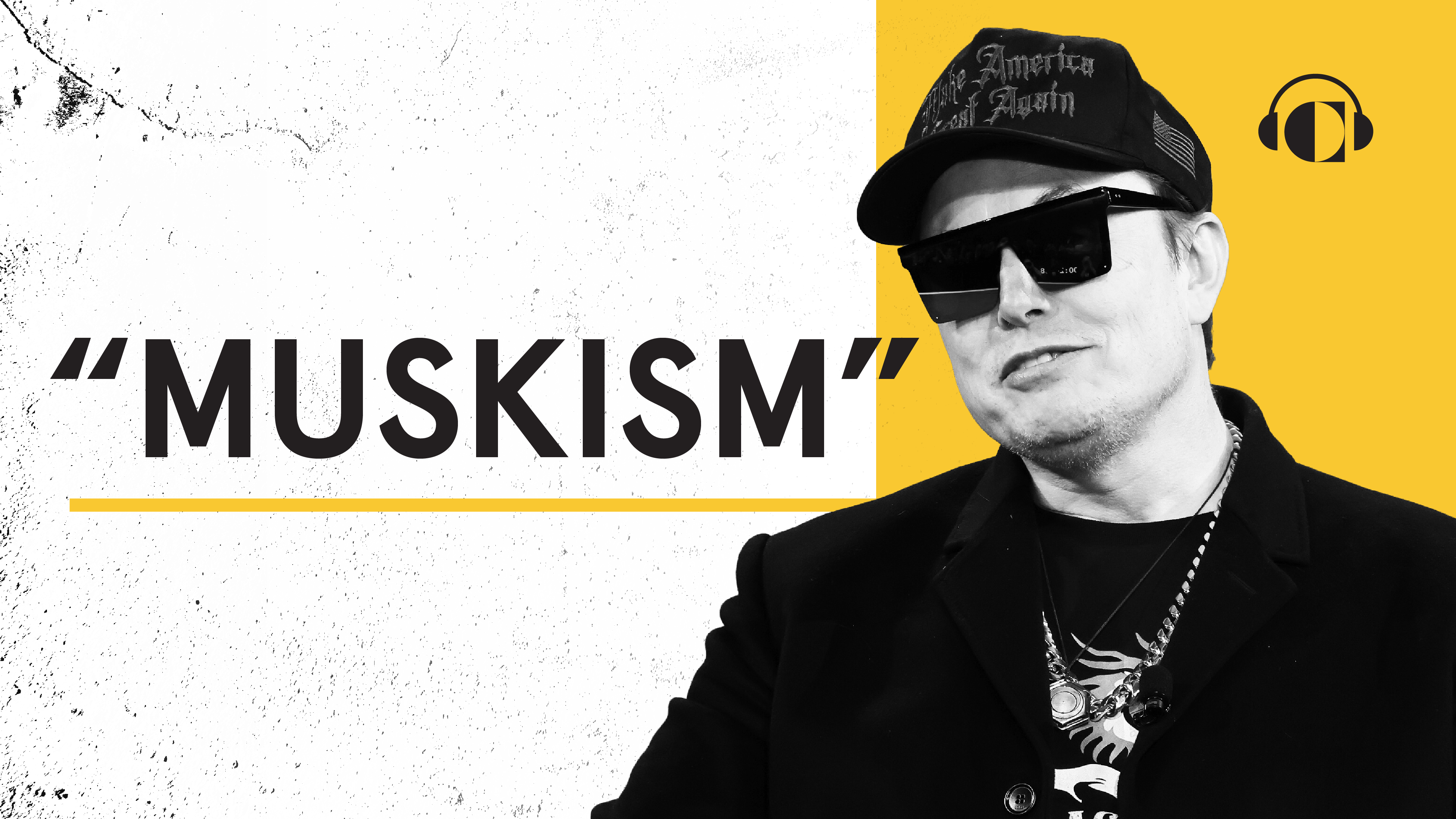
On this episode of The World Unpacked, authors Quinn Slobodian and Ben Tarnoff explore Musk’s historical meaning and debate the politics of technocracy with host Jon Bateman.

Jon Bateman, Ben Tarnoff, Quinn Slobodian
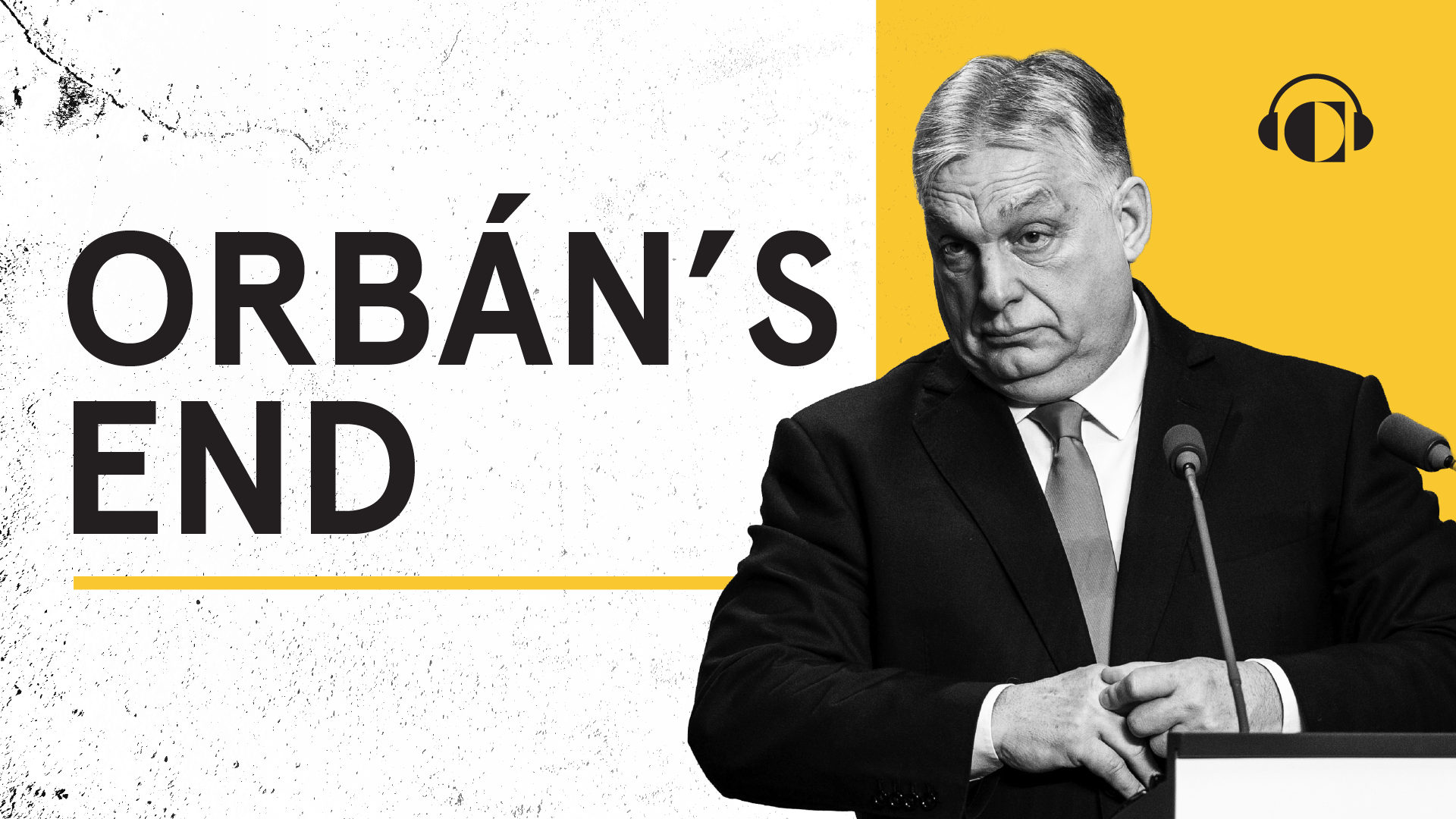
Tom Carothers, a top democracy scholar with deep ties in Hungary, joins Jon Bateman on a special episode of The World Unpacked.

Jon Bateman, Thomas Carothers
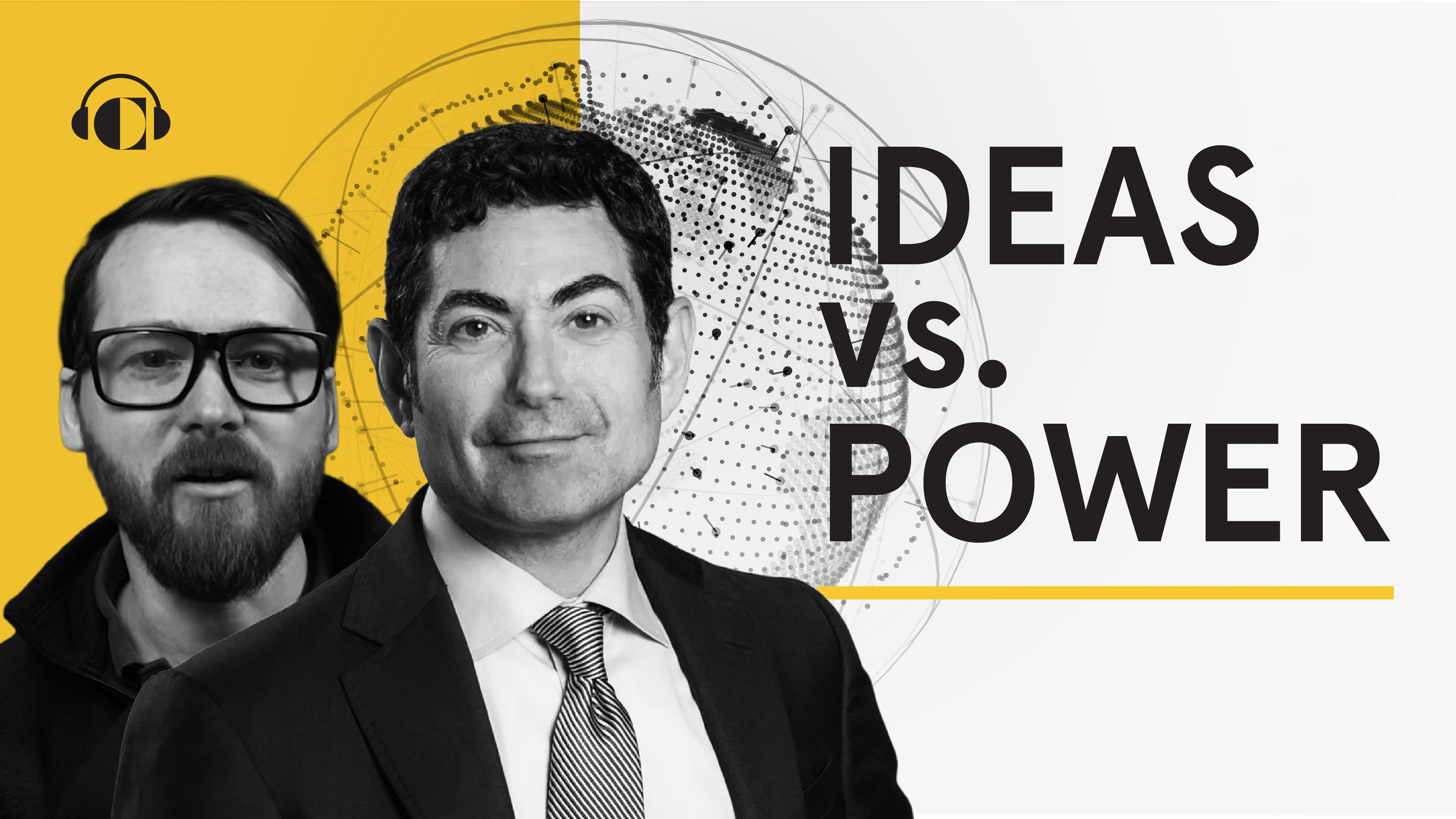
Tino Cuellar is president of the Carnegie Endowment for International Peace, a premiere foreign policy think tank. He joins host Jon Bateman on The World Unpacked to pull back the curtain on this hidden world.

Jon Bateman, Mariano-Florentino (Tino) Cuéllar
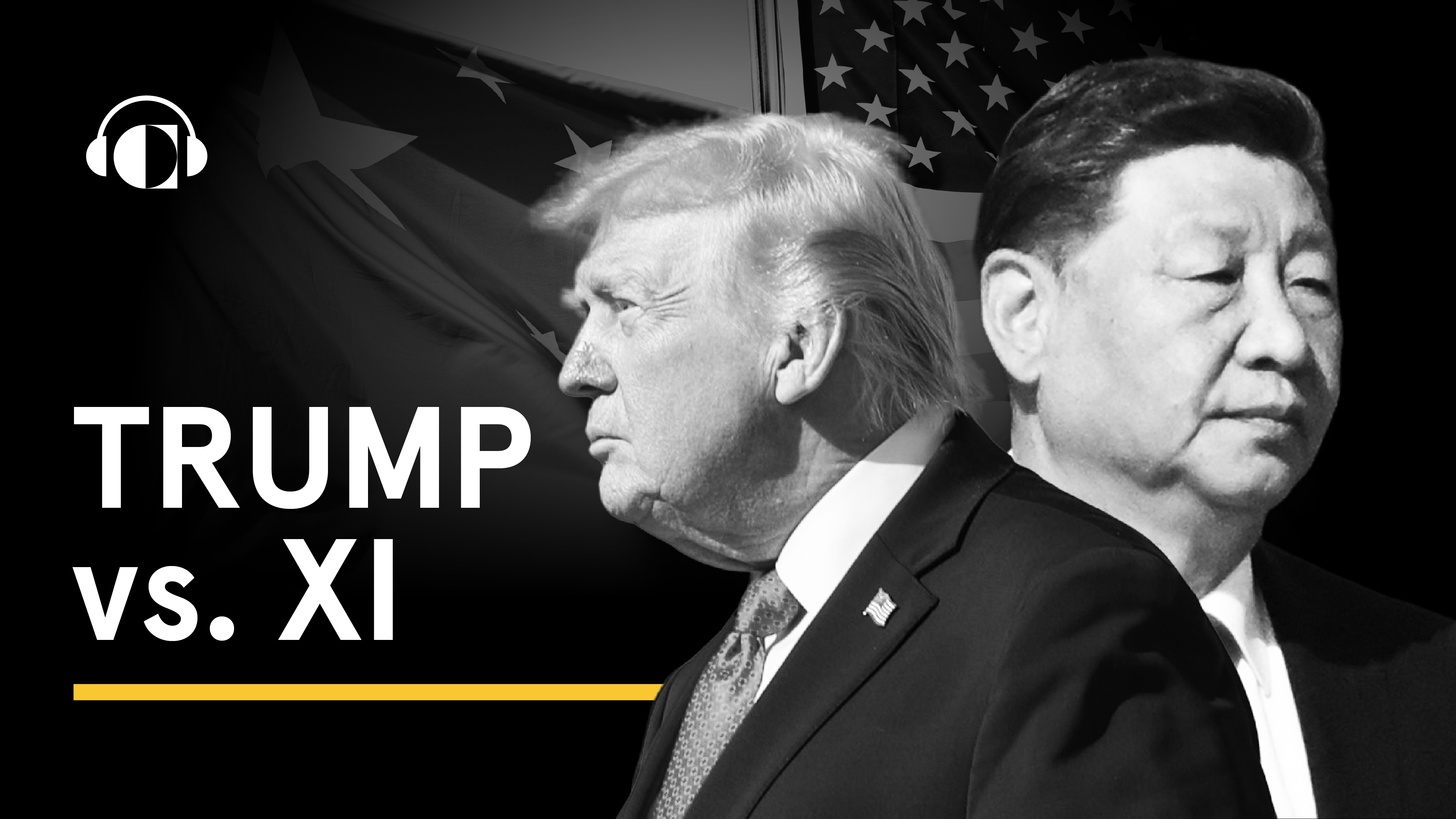
Ali Wyne joins Jon Bateman on The World Unpacked to explain why Beijing hasn’t saved Iran; what Washington’s bipartisan “consensus” on China still misses; and how Trump should negotiate when he finally sits down with Xi Jinping.
Jon Bateman, Ali Wyne

In this episode of The World Unpacked, Katrina tells host Jon Bateman about the creation of America’s AI war machine, the rise of Palantir, and the fully autonomous weapons already being tested.
Jon Bateman, Katrina Manson